

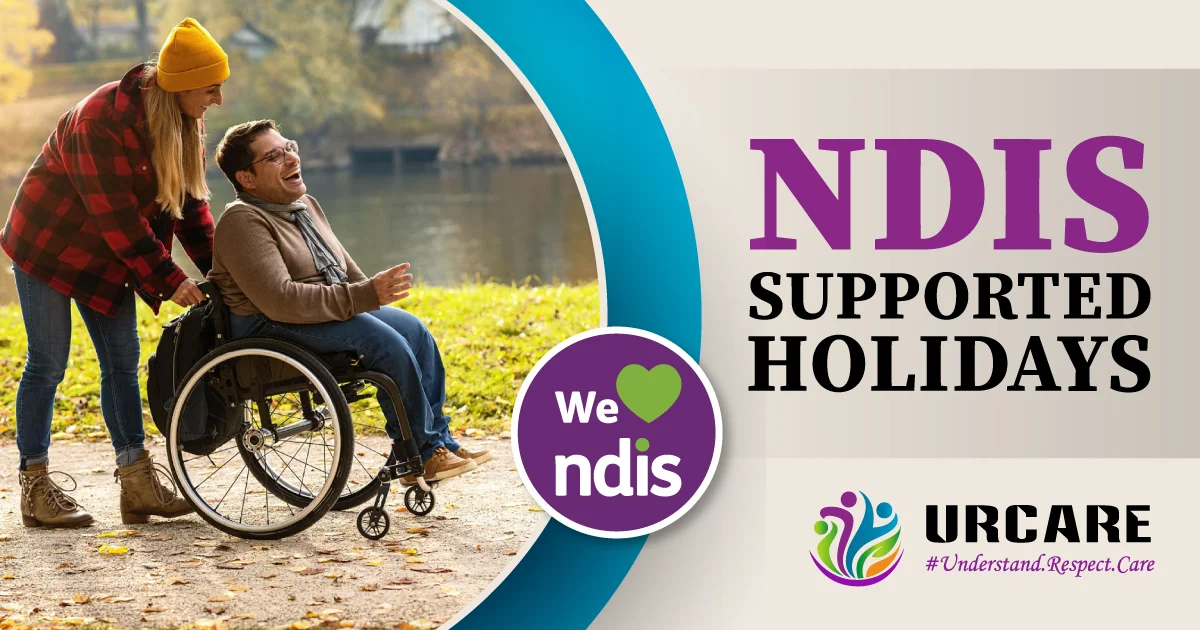
Travelling is something many people dream about. It gives us a chance to relax, explore, and enjoy life. But for many people with disabilities, planning a holiday can feel too hard. There are many things to think about, like support needs, transport, health requirements, and safety. Families often worry about how to make travel smooth and comfortable.
This is why NDIS Supported Holidays are becoming very popular. They make holidays possible for people who need extra help. These holidays are planned carefully so participants can enjoy their trip without stress. Support workers stay with them, help them, guide them, and make sure they have a good time.
In this blog, we will explain everything about supported holidays. We will talk about how they work, who can join, what they include, and why they matter. We will use very easy words so everyone can understand the information clearly.
Why Supported Holidays Are Helpful
Supported holidays are more than just a fun trip. They help people grow in many ways. For some, it is their first time going out without family. For others, it is the first time feeling truly independent. The experience can change their confidence and outlook on life.
Many participants spend a lot of time at home. A holiday gives them a refreshing break. They get to see new places, enjoy new activities, meet new people, and feel part of the community. This reduces feelings of loneliness or isolation.
Supported holidays also help with emotional well-being. Travelling can bring joy, excitement, and peace. It can reduce stress and improve mood. People return home with positive energy and beautiful memories.
For families and carers, supported holidays give a break from caregiving. They can rest or focus on their own needs, knowing their loved one is safe with trained workers.
Who Can Join an NDIS Supported Holiday?
Anyone who has an NDIS plan may be able to go on a supported holiday. The holiday should connect with the participant’s NDIS goals. These goals may include improving independence, joining the community, building skills, learning new things, or improving confidence.
If the holiday aligns with those goals, NDIS funding may help cover support costs.
The participant can choose:
- Where do they want to go
- What they want to do
- How long do they want to stay
- What type of support do they need?
The provider will check the participant’s health needs, mobility needs, communication style, and personal preferences. Then they create a holiday plan that fits those needs.
Every participant is different. Some need full-time help. Some need only a little assistance. Supported holidays can be arranged for all types of support levels.

What Is Included in a Supported Holiday?
Supported holidays include many helpful services that make the trip simple, safe, and enjoyable. Here’s what is usually included:
1. Accommodation: Accommodation is arranged based on the participant’s needs. Some may need wheelchair access, shower rails, medical beds, or a quiet room. Providers carefully choose the most suitable place to stay.
2. Transport: transport is organised depending on the participant’s requirements. This may include a wheelchair-friendly vehicle, flights, trains, or private transport. The provider handles all travel planning.
3. Daily Support: Trained support workers help with dressing, bathing, grooming, eating, taking medication, and moving around. They stay close and assist whenever needed.
4. Meals: Meals are planned based on diet, allergies, and health needs. Support workers help the participant eat, prepare food, or select suitable meals.
5. Activities: Activities are chosen according to the participant’s interests. Some may enjoy beaches, nature walks, cultural places, or theme parks. Every activity is planned with safety and comfort in mind.
Together, these services make the holiday smooth, safe, and enjoyable for the participant.
Types of NDIS Supported Holidays
There are many types of supported holidays. Each one offers a different experience. The participant can choose what suits their interests and comfort level.
- Beach holidays: Relaxing by the ocean, walking on the sand, swimming, or enjoying the sunshine.
- City holidays: Visiting tourist spots, museums, markets, and restaurants in big cities.
- Nature holidays: Camping, national parks, wildlife tours, and nature walks.
- Adventure holidays: Boat trips, theme parks, or outdoor activities (only if safe).
- Cultural holidays: Visiting historical places, art galleries, or local events.
- Group holidays: Going on a trip with other participants and making new friends.
- Private one-on-one holidays: A personalised holiday with your own support worker.
Each type of holiday gives a new experience and helps the participant learn and grow.
How Supported Holidays Build Independence Step by Step
Supported holidays improve independence in many simple but powerful ways. Let us explore them clearly and easily.
1. Participants Learn to Make Choices
Many participants do not get to make many decisions in their daily lives. Family members or carers may decide things for them. On a supported holiday, the participant is encouraged to make their own choices.
They choose:
- Where to go
- What they want to see
- What activities do they want to do
- What food do they want to eat
- When they want to rest
- How long do they want to stay
These choices may look small, but they are very meaningful. Making choices helps the participant feel in control. It teaches them that their opinions matter. Over time, they learn to express their needs more clearly, even after the holiday is over.
2. They Become More Confident in New Places
Many participants spend most of their time in familiar areas. Going to a new place can feel scary at first. But with a support worker by their side, they learn to handle new environments safely.
During the holiday, they may try new places like restaurants, beaches, parks, museums, or shops. Each new experience builds confidence. They learn that travelling can be enjoyable and safe. They realise that they can manage new situations with support.
This confidence often continues after the holiday. Participants become braver and more open to trying new things in their daily lives.
3. They Learn Daily Living Skills in Real Situations
Supported holidays give participants a chance to practise life skills in a natural setting. They may learn skills like:
- Ordering food at a restaurant
- Packing their bags
- Managing time
- Taking part in activities
- Keeping track of their items
- Following routines outside the home
These skills are sometimes hard to teach at home. But during a holiday, learning becomes simple and fun. Support workers guide the participant gently, giving help only when needed. This helps the participant try tasks on their own. Over time, these small tasks help build independence.

4. They Become More Social and Communicate Better
Travelling opens many doors for social interaction. Participants meet new people, talk to staff at cafes, engage with group members, and communicate with support workers. Supported holidays help participants comfortably learn social skills.
They may learn how to:
- Start conversations
- Ask for help
- Say what they want
- Join group activities
- Build friendships
Support workers guide them with patience. They model good communication and encourage the participant to interact. These moments slowly help the participant become more confident socially. After the holiday, they often talk more, share more, and feel less shy.
5. Participants Learn to Do Things Without Family Assistance
Family members often provide strong support at home. While this is good, it can also limit independence. Some participants feel nervous when away from family. Supported holidays offer a safe way to break this pattern.
Under the care of trained support workers, participants try life without family supervision. This does not mean they are alone. They are always supported. But the difference is that they learn how to manage daily life with new people, which builds independence.
Families also feel more relaxed knowing their loved one can enjoy life outside the home.
6. They Improve Problem-Solving Skills
Travelling always brings small challenges. It might rain, a plan may change, or an activity may be delayed. Support workers help participants handle these moments calmly.
Participants learn how to adjust when things do not go exactly as planned. They learn that changes are normal and manageable. They slowly develop problem-solving skills, which helps them become more independent at home, too.
7. They Get a Confidence Boost From Achievements
Even small achievements during a holiday can have a big impact. A participant may walk a little further, try a new food, join a group activity, or visit a new place. Each achievement builds pride and happiness.
Support workers celebrate these victories. This gives the participant a strong confidence boost. They return home feeling proud of themselves. This positive feeling is a big step toward independence.
8. Supported Holidays Reduce Fear and Anxiety
Many participants feel uncertain about leaving home. They may worry about crowds, sounds, new people, or long travel. Supported holidays reduce these fears with careful planning. Workers create a calm and safe environment.
When participants experience a smooth, enjoyable holiday, they feel less anxious about future travel. This reduction in fear is a big part of gaining independence.
9. They Learn to Take Responsibility
Supported holidays also teach responsibility in simple ways. Participants may help with packing, follow a schedule, choose clothing, or prepare for activities. These tasks are small but important. They help the participant learn how to take responsibility in daily life.
Support workers encourage independence gently. They do not rush the participant. They guide, support, and celebrate their efforts.
10. Supported Holidays Encourage Personal Growth
Travelling helps people of all abilities grow emotionally and mentally. Participants learn more about themselves during the holiday. They discover what they like, what they can do, and what makes them happy.
They may realise they can handle more than they thought. They may discover new hobbies or interests. This personal growth is a big step toward living a more independent life.
Why Supported Holidays Improve Independence
Independence is essential for personal growth. Supported holidays give participants a chance to experience independence safely. They learn how to make choices, manage daily routines outside the home, communicate their needs, and face new situations.
During a holiday, participants try things they may not do at home, like eating at a restaurant, joining group outings, visiting new places, or taking part in activities. These small experiences help them become more confident and self-aware.
Support workers encourage the participant to be involved in planning, choosing activities, and trying new things. This boosts motivation and self-confidence.
How NDIS Funding Supports the Holiday
Many families ask if NDIS pays for holidays. The answer is: not all costs are covered. NDIS does not pay for general holiday expenses, like plane tickets, hotel stays, food, or entertainment. These are considered personal costs.
However, NDIS can pay for the disability support needed during the holiday. This includes:
- Daily personal care
- Support worker assistance
- Community access help
- Mobility support
- Medication support
- Transportation related to disability
- Supervision and safety support
In simple words: you pay for the holiday itself, and NDIS pays for the support you need during the holiday. This makes holidays more accessible and safer for participants.
Tip: If you want to manage your NDIS funding more effectively and make sure you can use it for supported holidays, check out our previous blog: NDIS Plan Management: Take Control of Your NDIS Funding. Proper plan management can help you organise and use your funds wisely for holidays and other expenses.
Choosing the Right Supported Holiday Provider
Selecting the right provider is very important. A good provider will focus on safety, comfort, and personal needs. They will listen to the participant and respect their wishes.
A good provider will ask detailed questions about the participant’s needs. They will create a personalised plan, explain the costs clearly, and ensure the accommodation and activities match the participant’s abilities.
They should also have trained and friendly support workers who know how to handle different situations. Good communication is key. The provider should talk openly with families, share updates, and answer questions.
When choosing a provider, look for experience, professionalism, and kindness. The participant should feel respected and safe.

Steps to Prepare for a Supported Holiday
Preparing for a supported holiday makes everything smoother. Families, support coordinators, and providers should work together to start planning a checklist of important items like clothes, medication, health documents, mobility aids, snacks, and personal items.
The support worker needs to know about health needs, behaviour plans, emergency contacts, and communication preferences. This helps them prepare properly for individual support during the trip.
Checking the weather, travel timing, food choices, and activity schedules is also helpful. Everything should suit your preferences and comfort level. Planning carefully reduces stress and makes the holiday more enjoyable.
Accommodation costs should also be considered during planning. Providers often arrange short-term accessible accommodation to ensure safety and comfort for participants.
Safety and Comfort During the Holiday
Safety is always the priority. Support workers watch the environment, check for risks, and stay close to the participant. They help with moving around, taking medicine, and doing activities safely.
Comfort is equally important. The participant should sleep well, eat well, and feel relaxed. They should have choices and freedom. If the participant feels tired, activities can be adjusted.
Flexibility is a big part of a good holiday. Plans may change, and that is okay. Whether travelling in a group or on a one-on-one trip, support workers know how to adjust while keeping the participant happy.
Creating Meaningful Memories
A supported holiday is not just a trip. It is a chance to create memories. It gives the participant moments of joy, courage, and discovery. Many participants talk about their holidays for months because the experience stays with them.
These experiences also support community participation, helping participants feel included and motivated to join new activities in daily life.
Families and carers feel happy knowing their loved one had a safe and joyful experience. Providers and support coordinators often highly recommend planning supported holidays as a way to build confidence, independence, and meaningful memories.
Conclusion
NDIS-supported holidays make travel possible for people who need extra help. They bring freedom, confidence, fun, and new experiences. They help participants grow, learn, and build stronger connections with the community.
With the right provider and the right planning, a supported holiday becomes a wonderful journey. Urcare and Support Services ensures participants get the support they need, making the trip safe, enjoyable, and stress-free.
It brings smiles, learning, and memories that last a lifetime.
Everyone deserves a chance to travel and enjoy the world. Supported holidays, with the help of Urcare and Support Services, make that possible in a safe and meaningful way.