

Every person deserves to feel safe, comfortable, and confident in their own home. Home is the place where we eat, rest, relax, and spend time with loved ones. For people with disabilities, doing everyday household tasks can sometimes feel difficult, tiring, or unsafe. Simple activities like cooking, cleaning, moving around the house, or taking care of personal needs may require extra effort or support.
This is where NDIS Assistive Products for Household Tasks become very important. These products are specially designed to help people with disabilities complete daily household tasks more easily. They support independence, improve safety, and make everyday life more comfortable.
This blog explains NDIS assistive products and how they help make daily life easier at home.
What Are NDIS Assistive Products for Household Tasks?
NDIS assistive products are tools, equipment, or devices that help people with disabilities do everyday tasks. When we talk about assistive products for household tasks, we mean products that help with things like cooking, cleaning, washing clothes, moving around the home, personal care, communication, and controlling home items.
These products can be very simple or more advanced. Some assistive products are small tools, like easy-grip utensils or long-handled brushes. Others may be larger items, like ramps, handrails, robotic arms, or control units for the home.
The main purpose of these products is to make daily life easier, safer, and less tiring. They help people do more things on their own and feel confident in their abilities.
The NDIS can help fund assistive products if they are needed because of a person’s disability and if they support the person’s goals.
Why Assistive Products for Household Tasks Are Important
Household tasks such as cooking, cleaning, washing clothes, and moving safely at home are an important part of daily living. These tasks help people feel independent and in control of their lives. When household chores become hard or unsafe, the right NDIS supports can make a big difference. Assistive technology helps people complete daily tasks more easily, safely, and with less effort. Assistive products also help reduce tiredness, pain, and the risk of injury.
With support from a coordinator, individuals can select assistive products that meet their specific needs and goals. Using NDIS funds through a well-planned NDIS plan, individuals can maintain their independence, confidence, and comfort in their own homes for longer.
How the NDIS Supports Assistive Products
The NDIS supports participants by funding assistive products that help them reach their goals and live more independently. These products must be linked to the participant’s disability and daily needs.
To get assistive products through the NDIS, they usually need to be:
- Related to the person’s disability
- Helpful for daily living or independence
- Safe and effective
- Value for money
Some assistive products are low-cost and can be approved quickly. Others may need an assessment from an occupational therapist or another health professional.
Types of NDIS Assistive Products for Household Tasks
Many types of assistive products help with different household activities. Below, we explore the most common areas where assistive products are used.
Assistive Products for Moving Safely Around the Home
Moving around the home safely is very important. Many people with disabilities find it hard to walk, stand, or move from one place to another. Assistive products help reduce the risk of falls and improve confidence.
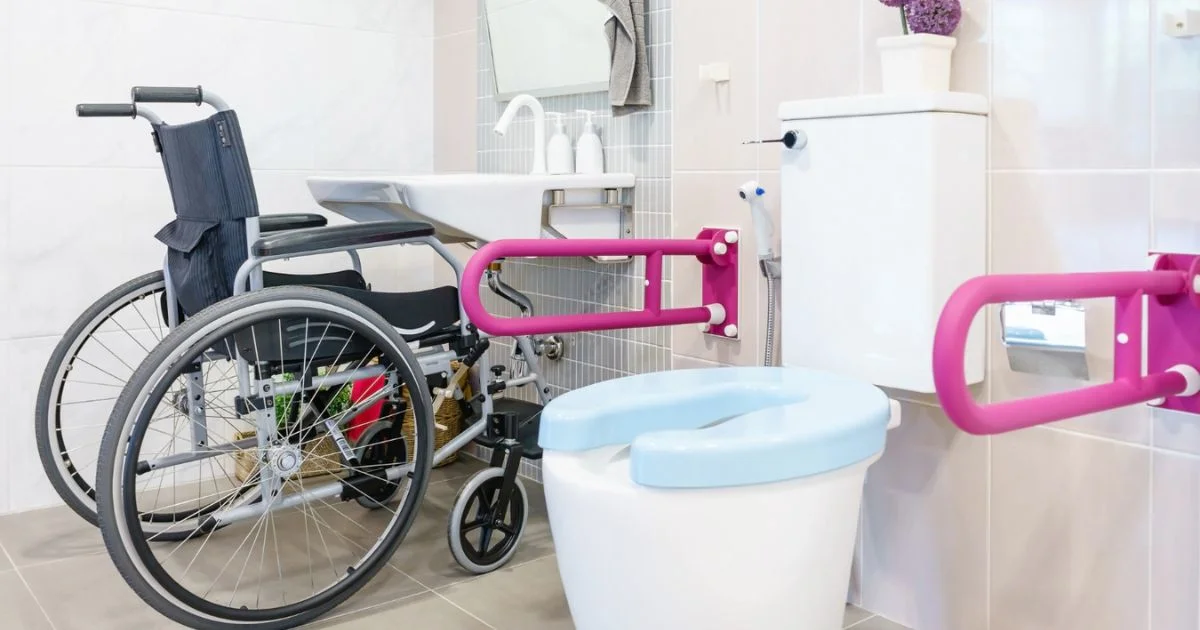
Handrails are one of the most common assistive products. They can be installed near stairs, hallways, bathrooms, and toilets. Handrails provide support when standing, sitting, or walking. They help people feel steady and safe.
Ramps are also very helpful. Ramps allow people to enter and exit their homes without using steps. They are especially useful for wheelchair users or people who find stairs difficult. Ramps help people move freely and safely.
Other mobility supports include walking aids, indoor wheelchairs, and furniture risers. Furniture risers, lift chairs, or beds to make sitting down and standing up easier.
All these products help people move around their home with confidence and independence.
Assistive Products for the Kitchen and Cooking
The kitchen is a place where people prepare meals and enjoy food. However, cooking can be challenging for people with limited strength, movement, or coordination. Assistive products make cooking safer and easier. Easy-grip kitchen tools are designed to be comfortable to hold. They help with cutting, peeling, stirring, and opening containers. These tools reduce strain on hands and wrists.
Non-slip mats are placed under plates, bowls, or chopping boards to keep them steady. This prevents spills and accidents. Electric can openers and jar openers help people open containers without hurting their hands. Kettle tippers help pour hot water safely, reducing the risk of burns.
Talking scales, large-button timers, and clear labels help people with vision or memory difficulties. These products support safe and confident cooking.
With the right assistive products, people can enjoy cooking and preparing meals on their own.
Assistive Products for Cleaning and Household Chores
Cleaning is an important part of keeping a home healthy. However, cleaning tasks can be tiring and physically demanding. Assistive products help make cleaning easier and safer. Long-handled brushes and dusters help people clean without bending or stretching too much. Lightweight mops and brooms reduce strain on the arms and shoulders.
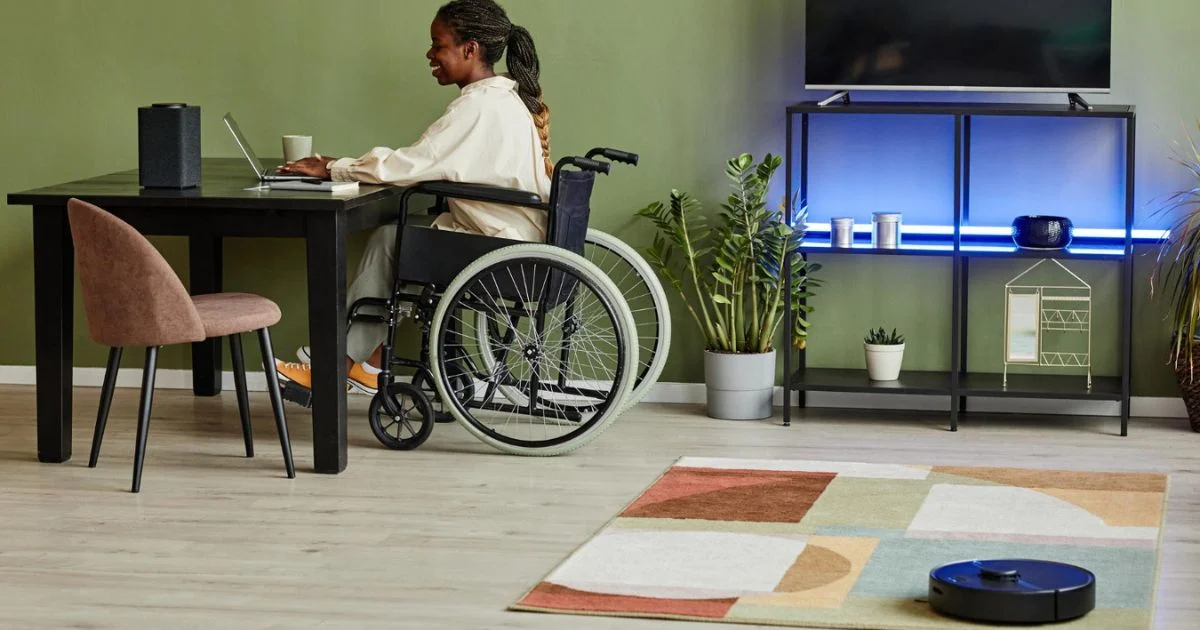
Robotic vacuum cleaners are very helpful. They clean floors automatically and save time and energy. People can relax while the vacuum does the work. Easy-squeeze spray bottles and non-slip gloves help people clean surfaces without hurting their hands.
These products help people keep their homes clean while protecting their bodies and energy.
Assistive Products for Laundry Tasks
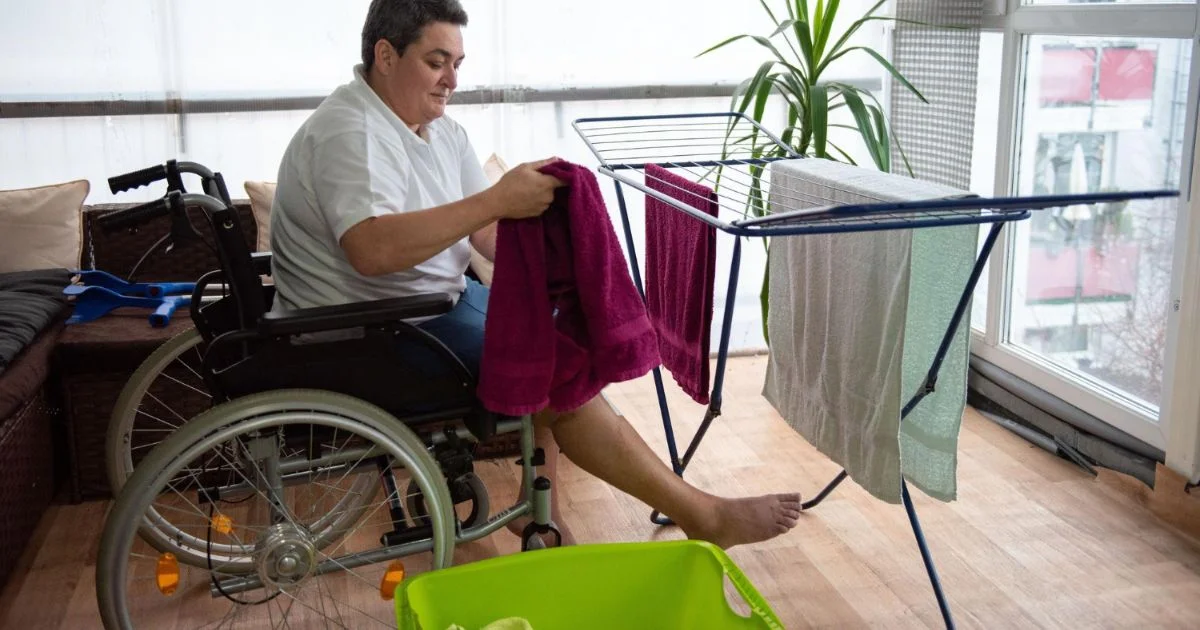
Laundry is another daily task that can be difficult for people with disabilities. Washing, drying, and folding clothes often require lifting, reaching, and bending. Front-loading washing machines are easier to use for many people. Some machines have large buttons, simple controls, or voice prompts.
Laundry baskets with wheels help move clothes without heavy lifting. Reachers or grabbers help pick up clothes from the floor or reach shelves. Folding boards help people fold clothes neatly with less effort. These tools make laundry more manageable and less tiring.
Assistive Products for Personal Care at Home
Personal care tasks are important for health, comfort, and dignity. Assistive products help people take care of themselves safely. In the bathroom, grab rails provide support near toilets and showers. Shower chairs allow people to sit while washing, reducing the risk of falls.
Hand-held shower heads make washing easier. Long-handled sponges help people reach parts of their body without stretching. Non-slip mats in the bathroom and shower improve safety and prevent slipping. These products help people feel confident and comfortable while taking care of their personal needs.
Comfortable Mattresses and Bedding Supports
Good sleep is important for health and well-being. Some people with disabilities need extra support while resting. Comfortable mattresses are designed to support the body and reduce pressure. They help prevent pain and discomfort and improve sleep quality.
Special pillows and bedding supports help keep the body in a good position. Good sleep helps people feel rested, strong, and ready for daily activities.
Assistive Products for Reaching and Gripping
Many people find it hard to reach or hold objects. Assistive products make these tasks easier. Reachers or grabbers help pick up items from the floor or reach high shelves. Easy-grip handles can be added to cups, utensils, and tools.
Button hooks and zipper aids help with dressing and clothing tasks at home. These simple tools make daily tasks easier and support independence.
Assistive Products for Communication and Speech
Communication is a very important part of daily life. Some people with disabilities have difficulty speaking or expressing themselves. Speech implants and communication devices help people talk and communicate better. These tools allow users to express their needs, feelings, and ideas.
Some devices use pictures, buttons, or voice output. These products help people feel heard and included. Good communication improves confidence, social connection, and independence.
Assistive Products for Home Control
Controlling the home environment is important for comfort and safety. Some people find it hard to turn lights on or off, adjust fans, or use appliances. Control units for the home allow people to control lights, fans, TVs, and appliances easily. Some systems use buttons, switches, remote controls, or voice commands.
These products help people manage their homes without moving too much. They support comfort, independence, and safety.
Robotic Arms and Hands
Robotic arms and hands are advanced assistive products. They help people move and grab objects when they have limited movement in their arms or hands.
These devices can help pick up items, hold tools, or assist with daily tasks. Robotic supports give people more independence and control. Although these products are more complex, they can make a big difference for people with high support needs.
Easy Alarms and Doorbells
Safety and awareness are important at home. Some people may not hear standard alarms or doorbells. Easy alarms and doorbells are designed to be simple to use. They may use loud sounds, flashing lights, or vibrations.
These products help people know when someone is at the door or when something needs attention. They improve safety and confidence.
Who Can Use NDIS Assistive Products for Household Tasks?
NDIS assistive products are for people who need support because of a disability. This includes people with physical, intellectual, sensory, or psychosocial disabilities.
Children, adults, and older people can all benefit from assistive products if they meet NDIS requirements. An assessment may be needed to decide which products are most suitable and safe. Using assistive products alongside a household chores list or a chore chart can help participants organise their daily tasks and manage their home more effectively.
How Assistive Products Support Independence
Independence means having choice and control over daily life. Assistive products help people do things on their own and at their own pace.
When people can cook, clean, move safely, and care for themselves, they feel confident and capable. They rely less on others and enjoy more freedom. Assistive products support dignity, privacy, and self-esteem.
How Families and Carers Benefit
Assistive products also support families and carers. When tasks become easier, families experience less stress and physical strain.
Families feel reassured knowing their loved one is safe and supported at home. They can spend more quality time together instead of focusing only on daily chores.
Choosing the Right Assistive Products
Choosing the right assistive products is very important, as they should match the person’s needs, abilities, and personal goals. Occupational therapists often help assess which products will work best for daily life, while carefully considering safety, comfort, and ease of use. It is important that the person feels confident using the product and clearly understands how it works in their home environment.
At Urcare Support Services, we support NDIS participants by providing guidance, suitable assistive products, and ongoing support. Our team works closely with participants to help them choose the right NDIS assistive products and ensure the best solutions are in place to support independence, comfort, and safety at home.
Using Assistive Products Safely
Assistive products should always be used correctly. People should receive instructions and training if needed.
Products should be checked regularly to make sure they are safe and in good condition. Using the right product in the right way helps prevent injuries and ensures long-term benefits.
Long-Term Benefits of Assistive Products
Over time, assistive products greatly improve the quality of life. They support independence, confidence, and daily comfort.
People feel more positive and motivated when they can manage tasks on their own. Assistive products also support aging at home and long-term well-being.
Final Thoughts
NDIS Assistive Products for Household Tasks play a crucial role in enabling people with disabilities to live safely, comfortably, and independently at home. From handrails and ramps to kitchen tools, cleaning aids, robotic supports, and communication devices, these products make daily life easier and more enjoyable.
With the right assistive products, participants can accomplish more on their own, feel more confident, and enjoy their home environment. Families also benefit from reduced stress and greater peace of mind. The NDIS continues to support assistive products because they help people live the life they choose, in the home they love, with dignity and independence every day.
Contact Urcare Support Services today to explore the right assistive products for your home and needs.